In the rapidly expanding “NewSpace” economy, the barrier to entry for space exploration has shifted from multi-billion dollar government budgets to the desks of ambitious students and professionals. At the heart of this democratization is the Cubesat Professional Education program, a flagship initiative by KSF Space.
This article explores how you can master nanosatellite engineering through a flexible, high-impact curriculum designed for the modern era.
Mastering the Orbit: A Deep Dive into Cubesat Professional Education by KSF Space
The satellite industry is undergoing a paradigm shift. With thousands of small satellites scheduled for launch in the next decade, the demand for certified “Nanosatellite Engineering Professionals” (NEP) has reached a critical peak. Unlike traditional academic programs that take years to complete, the Cubesat Professional Education provided by KSF Space is designed for immediate industry relevance.
Whether you are an aspiring aerospace engineer or a seasoned professional looking to upskill, this program offers the most direct path to understanding how to design, build, and operate a mission-ready CubeSat.
The Modern Learning Path: Flexibility Meets Professional Certification
One of the most significant advantages of the Cubesat Professional Education program is its delivery model. Recognizing that today’s learners require flexibility, KSF Space has structured the course as a comprehensive online experience.
1. Recorded Video Lectures: Learn at Your Own Pace
The curriculum is delivered through high-quality, recorded video lectures. This allows students to revisit complex topics such as orbital mechanics or EPS (Electronic Power Systems) as many times as needed. There is no rigid timeframe, making it the perfect Cubesat Professional Education choice for those balancing work or university studies.
2. Rigorous Exam and Final Presentation
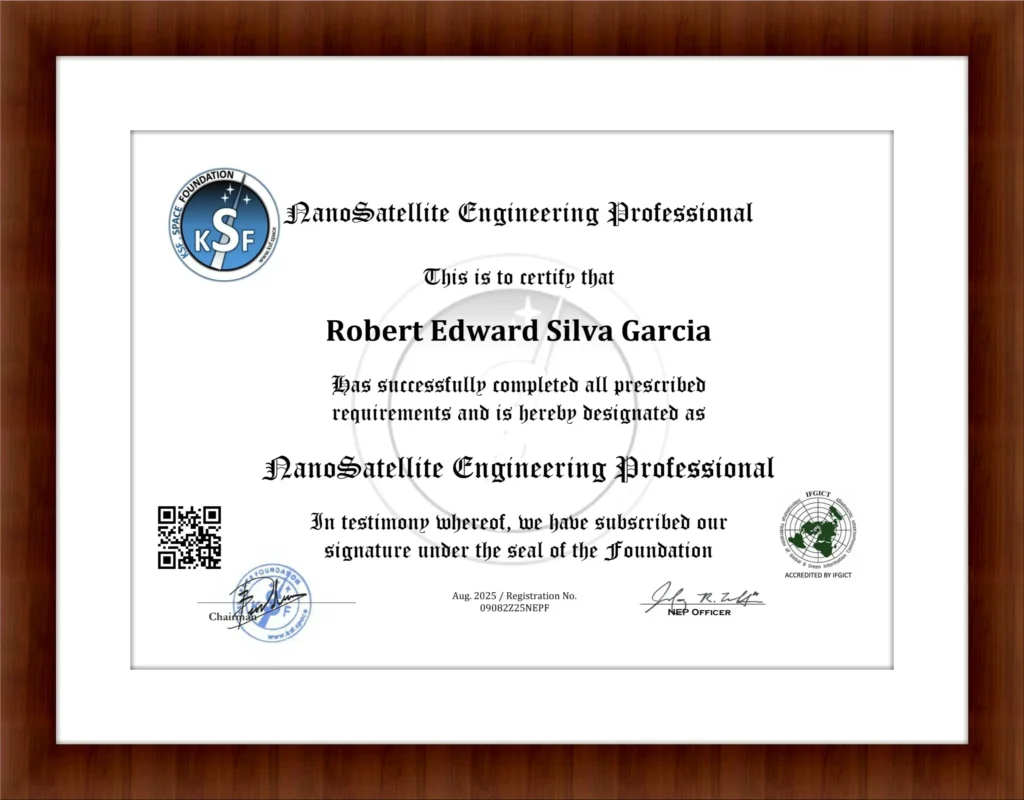
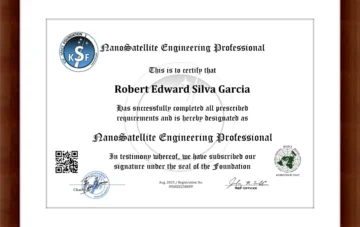
To ensure the NEP (Nanosatellite Engineering Professional) credential remains the industry gold standard, students must pass a formal exam and deliver a final presentation. This presentation mimics a “Mission Readiness Review” (MRR), providing students with the confidence to defend their engineering choices to potential employers or investors.
While the primary Cubesat Professional Education is delivered online to ensure global accessibility, KSF Space offers an optional, high-value upgrade: the CubeSat Kit Version 2.0.
Pro Tip: Transitioning from theory to reality is much smoother when you can physically assemble the hardware you are learning about in the video modules.
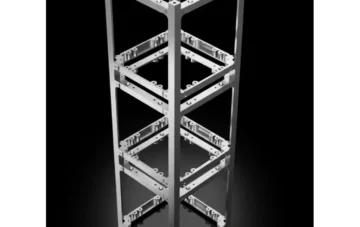
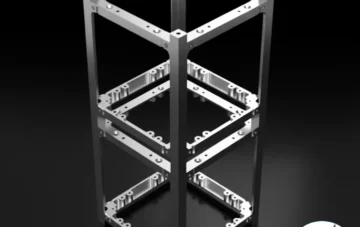
For students who want a tactile learning experience, the CubeSat Kit v2.0 is a game-changer. It is a professional-grade prototyping tool that allows you to:
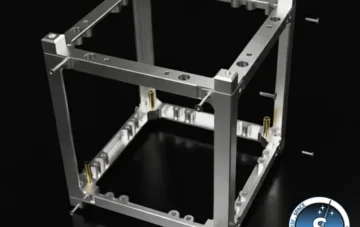
Practice Assembly: Understand how PC-104 stacks fit within a 1U or 3U frame.
Test Sensors: Work with real-world telemetry data including temperature, gyroscopes, and GPS modules.
Refine Payload Integration: Use the kit as a “FlatSat” on your workbench to test your specific experiment before committing to a flight model.
This kit is designed specifically to complement the Cubesat Professional Education track, ensuring that even in a digital learning environment, you aren’t isolated from the physical realities of aerospace engineering.
Why KSF Space is the Global Leader in Nanosatellite Certification
The KSF Space Foundation is a non-profit organization dedicated to making space accessible. By focusing on Cubesat Professional Education, they have successfully trained over 1,700 candidates worldwide.
Global Industry Recognition
The NEP certification earned via Cubesat Professional Education is recognized by major space agencies and private aerospace firms. Employers value the program because it covers the “full lifecycle” of a mission from initial conceptual design to end-of-life disposal and space debris mitigation.
Affordable and Scalable Solutions
As a non-profit, KSF Space reinvests into its students. This allows them to offer the Cubesat Professional Education at a price point that is accessible to developing nations, small research labs, and independent innovators.
Technical Specifications of the Training Modules
The Cubesat Professional Education program is broken down into specific pillars of expertise: