CEO at 4DBC Group
The Future of Low Earth Orbit: KSF Space Precision Satellite Structures
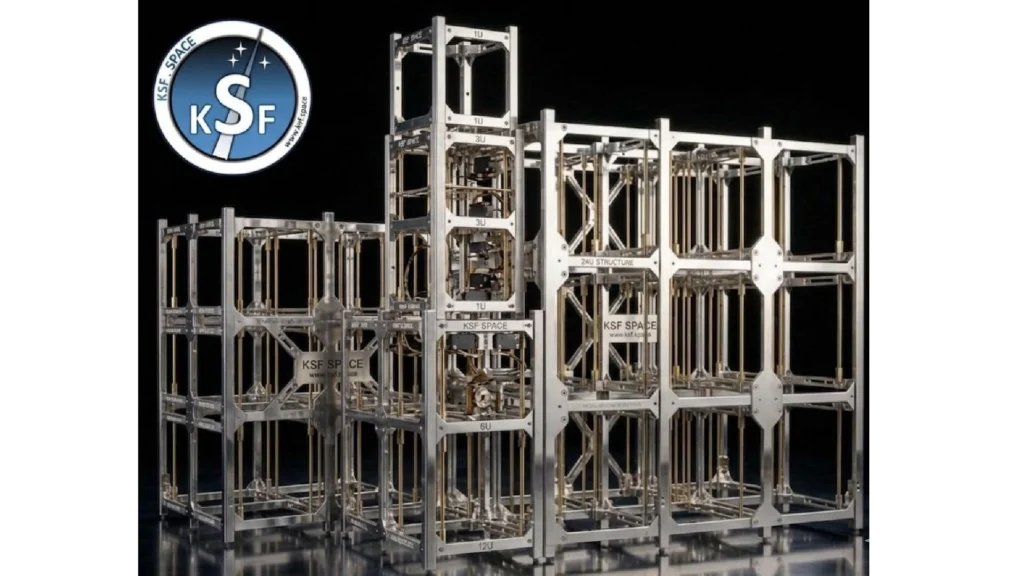
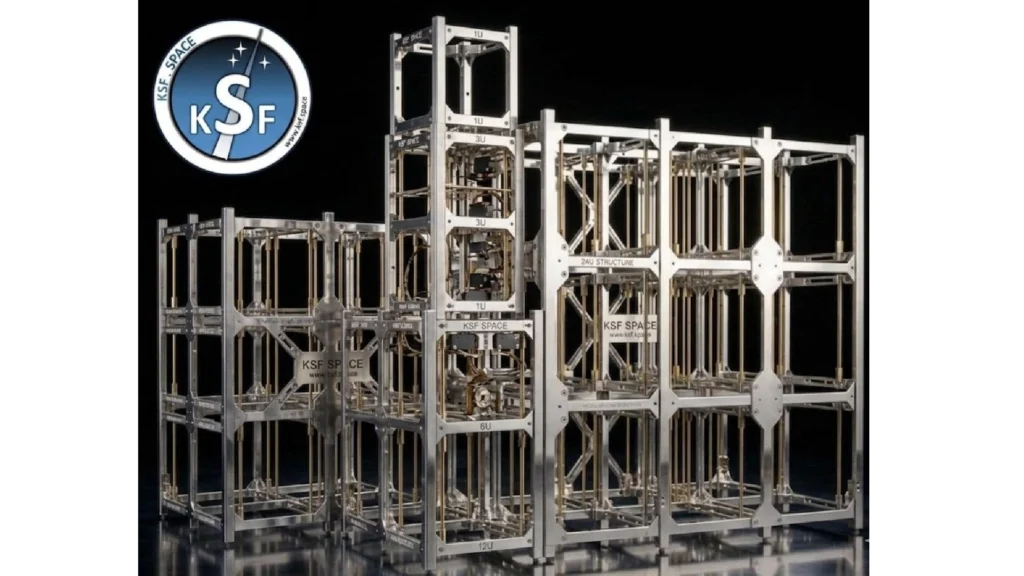
The small satellite revolution has transformed space from a playground for superpowers into a thriving hub for research, telecommunications, and Earth observation. However, the success of any mission hinges on the physical integrity of the spacecraft. KSF Space stands at the forefront of this industry, providing high-performance, flight-proven solutions for researchers and private enterprises alike. Whether you are developing a 1U educational project or a heavy-duty 24U commercial payload, the nanosatellite structure frame is the literal backbone of your mission.
Why the 16U CubeSat Structure is Redefining Mid-Range Missions
In the evolving landscape of space exploration, the 16U CubeSat structure has emerged as a “sweet spot” for developers. It offers a significant volume increase over the standard 6U or 12U formats, allowing for more complex payloads, advanced propulsion systems, and larger battery arrays without the prohibitive costs of a full-scale microsatellite.
KSF Space has optimized the 16U design to ensure a perfect balance between mass and rigidity. By utilizing advanced machining techniques, KSF Spaceensures that every 16U cubesat structure meets the rigorous vibration and thermal requirements of modern launch providers.
Customization: Aluminum vs. Titanium
Choosing the right material for your cubesat frame is critical. KSF Space offers unparalleled flexibility in material selection:
Aluminum (7075/6061-T6): The industry standard. Aluminum provides excellent thermal conductivity and a high strength-to-weight ratio, making it the go-to for most 1U, 2U, and 3U missions.
Titanium: For missions requiring extreme thermal stability and superior strength, KSF Space provides titanium customize structure options. This is often preferred for deep space missions or high-stress orbital maneuvers.
Engineering Excellence: From 1U to 24U and Beyond
When you decide to build your satellite, the first step is selecting a cubesat structure that can withstand the “shake, rattle, and roll” of a rocket launch. KSF Space offers a comprehensive catalog of frames:
The Modular Approach (1U, 2U, 3U)
For educational institutions and technology demonstrations, the 1U, 2U, and 3U frames are the gold standard. These nanosatellite structure frame options are lightweight and designed for rapid integration.
High-Capacity Frames (6U, 12U, 16U, 24U)
As missions become more ambitious, the need for larger frames like the 6U, 12U, 16U, and 24U increases. KSF Space specializes in these larger formats, ensuring that the cubesat frame remains perfectly aligned even under high G-loads.
Microsatellite Solutions
Beyond the CubeSat standard, KSF Space is equipped to build microsatellite size structures. These bespoke units are tailored for missions that exceed the 24U form factor, providing a robust platform for sophisticated Earth observation sensors or telecommunications transponders.
How to Build a Satellite: A Step-by-Step Guide with KSF Space
Many aspiring space engineers ask, “how to build satellite hardware that actually survives?” The process is rigorous but manageable when partnering with an experienced provider like KSF Space.
1. Define the Mission and Payload
Before you look for a cubesat structure, you must know what your satellite will do. Is it taking photos? Testing a new AI chip? The size of your payload will dictate whether you need a 3U or a 16U cubesat structure.
2. Choose Your Structure and Material
Select a nanosatellite structure frame from www.ksf.space. Consider whether your mission needs the cost-effectiveness of aluminum or the high-performance attributes of titanium. KSF Space allows you to customize structure parameters to fit specific mounting points or internal configurations.
3. Subsystem Integration
Once the cubesat frame is in hand, you begin the “stacking” process. This includes:
On-Board Computer (OBC)
Electrical Power System (EPS) and Solar Panels
Communication Systems (Transceivers/Antennas)
Attitude Determination and Control System (ADCS)
4. Environmental Testing
Every www.ksf.space structure is designed to pass. You must perform:
Thermal Vacuum Testing (TVAC): Simulating the temperature extremes of space.
Vibration Testing: Ensuring the cubesat structure can survive the launch vehicle’s acoustics and mechanical stress.
Flight Heritage: Why Ready-for-Mission Status Matters
In the space industry, “flight heritage” is the most valuable currency. KSF Space structures are not just theoretical designs; they have flight references that prove their reliability in the vacuum of space. By choosing KSF Space, you are utilizing a platform that has already navigated the complexities of orbital mechanics and environmental stressors.
This “ready for your space mission” status reduces the risk for insurers and launch providers. When you build your satellite using a KSF Space 16U cubesat structure, you are building on a foundation of proven success.
The KSF Space Advantage in Satellite Manufacturing
What makes KSF Space one of the top providers out there? It is the intersection of affordability and high-end engineering.
Precision Machining: Every cubesat frame is manufactured with micron-level precision.
Rapid Customization: Unlike other manufacturers with rigid designs, KSF Space can customize structure dimensions to meet unique mission requirements.
End-to-End Support: From the initial 1U prototype to a full-scale microsatellite deployment, KSF Space provides the technical documentation and support necessary for mission success.
Frequently Asked Questions (FAQ)
How to build cubesat structure frames from scratch?
Building a frame from scratch requires advanced knowledge of CNC machining, aerospace-grade materials, and CAD design. Most developers prefer to purchase a flight-proven cubesat structure from KSF Space to ensure it meets the strict deployer tolerances required by launch vehicles like the SpaceX Falcon 9 or Rocket Lab Electron.
What is the difference between a CubeSat and a microsatellite?
A CubeSat follows a standardized unit system (1U = 10x10x10cm). A microsatellite is generally larger, weighing between 10kg and 100kg, and does not necessarily follow the CubeSat form factor. KSF Space provides structures for both categories.
Can I get a 16U cubesat structure in titanium?
Yes. KSF Space can customize structure orders using titanium to provide extra strength and thermal resistance for demanding missions.
Why is the 16U format becoming popular?
The 16U cubesat structure provides a larger 4×4 unit footprint, allowing for larger aperture cameras and more robust power systems than the traditional 3U or 6U models.
Does KSF Space provide flight-ready hardware?
Absolutely. All KSF Space frames are “flight-ready,” meaning they are designed to meet the interface control documents (ICD) of major launch providers and deployer manufacturers.
References
“CubeSat Design Specification Rev. 14.1,” California Polytechnic State University.
“Small Satellite Market Size, Share & Trends Analysis Report,” Grand View Research.
“The Role of Nanosatellites in Modern Earth Observation,” Journal of Space Engineering.
Technical Specifications for Satellite Structures, KSF Space Engineering Division.