
CEO at 4DBC Group
MIT Smart cities course by IFGICT
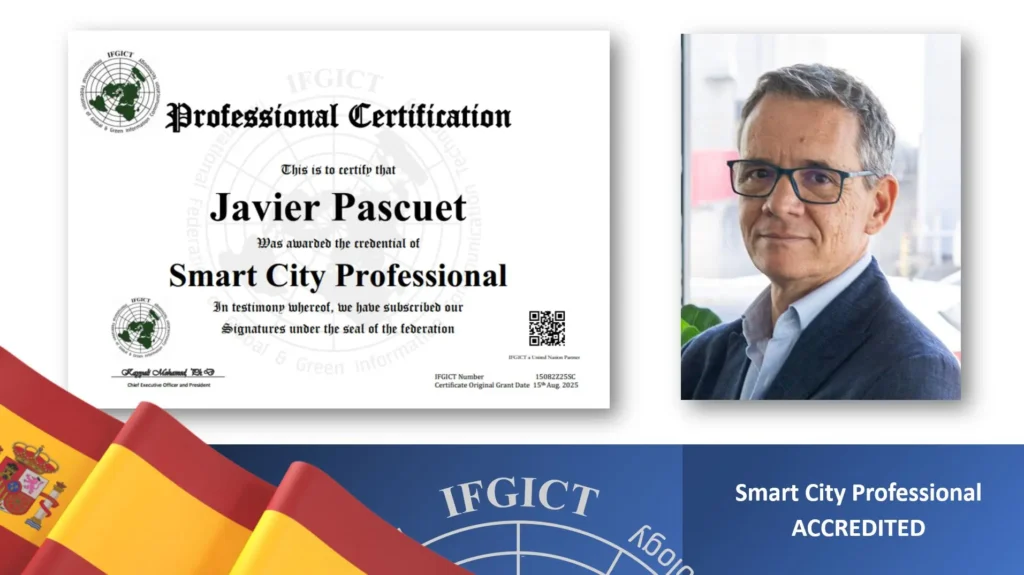
In the rapidly evolving landscape of urban development, the intersection of technology and infrastructure is no longer a luxury—it is a necessity. As global populations shift toward urban centers, the demand for experts who can navigate the complexities of “Smart Cities” has skyrocketed. One program stands at the forefront of this digital revolution: the mit smart cities course by IFGICT.
This article provides an in-depth exploration of how this certification is shaping the future of urban planners, IT professionals, and government officials worldwide.
The Ultimate Guide to the mit smart cities course by IFGICT: Revolutionizing Urban Innovation
The smart cities course is more than just an educational program; it is a gateway to understanding how the cities of tomorrow will function. In collaboration with the principles of cutting-edge research and the international standards set by IFGICT, this course offers a unique blend of academic rigor and practical industry application.
Urbanization is accelerating at an unprecedented pace. By 2050, it is estimated that nearly 70% of the world’s population will live in cities. This shift brings challenges in transportation, energy consumption, waste management, and public safety. To address these, the smart cities course provides the framework needed to implement Internet of Things (IoT) sensors, Big Data analytics, and sustainable energy grids into the very fabric of our streets.
Why the mit smart cities course is the Gold Standard for Professionals
When searching for a smart cities course, professionals often look for a program that balances theory with real-world utility. IFGICT, the International Federation of Global & Green ICT, has meticulously designed a certification path that aligns with the highest global benchmarks.
A Curriculum Built on Global Standards
The smart cities course curriculum is not static. It evolves alongside the technology it teaches. Key pillars include:
- Smart Infrastructure: Mastering 5G, IoT networks, and robust data centers.
- Smart Governance: Implementing digital platforms for citizen participation and transparency.
- Smart Environment: Focusing on climate action, waste reduction, and sustainable energy.
- Compliance & Auditing: Learning the IFGICT, IEEE, and ITU standards that ensure quality and interoperability.
Accessibility and Recognition
One of the standout features of the smart cities course offered through the IFGICT framework is its affordability. While many executive programs cost thousands of dollars, this certification is designed to be accessible to a global audience, ensuring that the next generation of urban innovators comes from every corner of the globe.
Key Modules in the mit smart cities course by IFGICT
To become a certified Smart City Professional (SCP), candidates must navigate a comprehensive series of modules. Each section of the smart cities course is designed by IFGICT experts to provide a 360-degree view of the urban ecosystem.
1. Technology Foundations
The core of any smart city is its ability to “feel” and “respond.” The mit smart cities course dives deep into the hardware and software required to make this happen. Students learn about sensor deployment, edge computing, and how to protect these interconnected systems from cyber threats—a critical component of the IFGICT safety standards.
2. Data-Driven Decision Making
Data is the new oil, but only if you know how to refine it. The smart cities course teaches participants how to use Big Data to optimize traffic flow, reduce energy peak loads, and predict infrastructure failures before they happen. This proactive approach is what differentiates a truly smart city from a merely “connected” one.
3. Citizen-Centric Urban Design
Technology should serve people, not the other way around. IFGICT emphasizes a “people-first” philosophy. The mit smart cities course includes training on how to engage communities, build public-private partnerships, and ensure that digital transformations improve the quality of life for all residents, regardless of socioeconomic status.
How the mit smart cities course Impacts Your Career
Earning a smart cities course certification through IFGICT is a powerful career move. As cities seek to meet the UN Sustainable Development Goals (SDGs), they are actively recruiting individuals who hold recognized credentials.
- For Urban Planners: It provides the digital tools to augment traditional zoning and design.
- For IT Specialists: It opens doors to high-level consultancy roles in government and tech sectors.
- For Government Officials: It offers a roadmap for policy creation and efficient public service delivery.
“The mit smart cities course empowers you to not just watch the future of urban development unfold, but to actively shape it as a certified expert recognized by IFGICT.”
Technical Specifications and Learning Outcomes
| Feature | Details |
|---|---|
| Duration | Self-paced Online Learning |
| Accreditation | IFGICT (International Federation of Global ICT) |
| Core Keyword | smart cities course |
| Examination | Online Multiple Choice |
| Key Topics | IoT, AI, Smart Mobility, Green ICT, Urban Auditing |
By the end of the mit smart cities course, participants will have mastered the ability to analyze urban dynamics and propose scalable, technology-driven solutions. This is the cornerstone of the IFGICT mission: building a resilient digital future.
Frequently Asked Questions (FAQ)
What is the mit smart cities course?
The mit smart cities course is a professional training program designed to teach the integration of ICT and sustainable practices into urban environments. It is offered as a certification path by IFGICT.
Who should enroll in the IFGICT certification?
The program is ideal for urban planners, architects, engineers, IT professionals, and policy makers who want to lead smart city initiatives.
Is the certification recognized internationally?
Yes, IFGICT is a global federation with members in over 40 countries, ensuring that your smart cities course credential holds weight with employers and governments worldwide.
How much does the course cost?
The IFGICT provides the mit smart cities course at an affordable entry point, typically around $99 for the full materials, book, and exam fee.
What are the prerequisites?
There are no strict prerequisites, though a background in IT, urban studies, or management is helpful for grasping the technical aspects of the mit smart cities course.
Contact Information
For further inquiries regarding the mit smart cities course or to learn more about IFGICT membership and partnership opportunities, please reach out to:
- Email: customerservice@ifgict.org
- Website: www.ifgict.org